
Episode 12 of BOAZ's entomologist series: why monitoring is the most underrated tool in pest management, and how good data turns guesswork into clear decisions
Ask most people what a rodent program is made of and they will list products: traps, bait stations, maybe a spray or two. Entomologist April Musa-Marinay starts somewhere else. In her view, the most important tool in pest management is not always a product. Sometimes it is simply information.

The question nobody asks
April opens with a question that sounds simple and turns out to be uncomfortable: Paano mo malalaman kung effective ang rodent program kung hindi ka naman nagmo-monitor? How will you know if your rodent program is effective if you are not monitoring?
It is a fair challenge. Many sites pay for service month after month and judge it on a feeling. No sightings this week, so it must be working. A sighting last night, so it must be failing. Neither conclusion is built on evidence, and both can lead to the wrong next move.

Monitoring is not just checking traps
April draws a clear line between routine and insight: Ang monitoring ay hindi lang tungkol sa pag-check ng mga traps, ito ay tungkol sa pagbuo ng impormasyon. Monitoring is not just about checking traps. It is about building information.
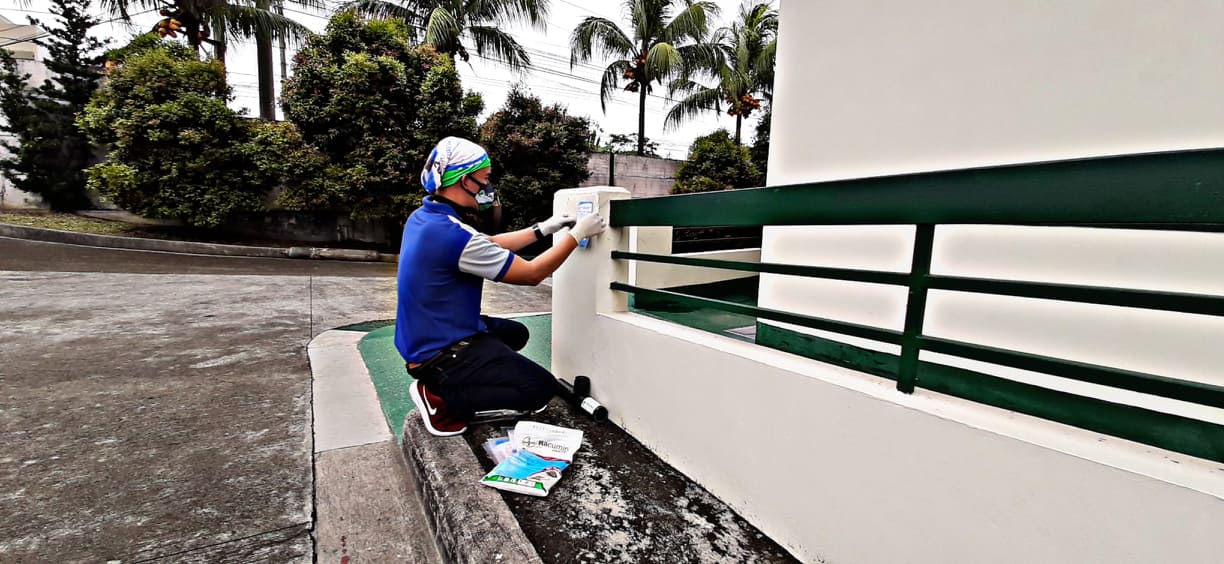
A technician who walks the line, glances at each device, and ticks a box has done a task. A technician who records what each device shows, compares it with last visit, and notes what is different has built something far more valuable: a picture of the site that gets sharper every week.

Three questions good monitoring answers
April names exactly what that information should tell you: Saan tumataas yung activity, kailan ito nangyayari, ano yung nagbago. Where activity is rising, when it happens, and what has changed.
- Where is activity rising? Trends by location point to the zones that need attention, such as a loading bay, a storage room, or a drainage line, instead of spreading effort evenly across the whole site.
- When does it happen? Timing links activity to real events: deliveries, rainy-season weeks, shift changes, or a sanitation schedule that slipped.
- What has changed? A new supplier, a renovation, a door left open, a change in waste handling. Activity rarely moves without a reason, and monitoring is how you spot the reason early.

Data ends the guessing
Then comes the line that gives the episode its title: Pag may data kasi tayo hindi na tayo manghuhula. Mas malinaw ang mga susunod na desisyon. When we have data, we no longer guess, and the next decisions become clearer.
Guessing is expensive in both directions. Guess too high and a site pays for treatment it did not need. Guess too low and a small, fixable issue grows quietly until it shows up in an audit, a customer complaint, or a product recall. Data narrows the gap. It tells you whether to hold steady, adjust a few devices, fix an entry point, or escalate.
For food plants and other regulated facilities, this is also what auditors look for. Standards such as GMP, HACCP, FSSC, BRC, and AIB expect documented monitoring, trend review, and corrective action. Good records are not paperwork for its own sake. They are proof that the program is being managed, not just performed.


Better data, better decisions
April closes in English, and it is the takeaway worth keeping:
Remember, better data leads to better decisions.
It is the same discipline behind BOAZ's Plan-Do-Check-Act approach. Plan the program, carry it out, check what the monitoring says, and act on it. Skip the "check," and every decision after it becomes a guess.

The BOAZ take
Solutions Beyond Pest Control means treating every visit as a chance to learn something about the site. BOAZ technicians monitor, record, and review trends so clients can see what is happening, why it is happening, and what the next step should be, whether the site is a family home, a restaurant, or an ISO-, GMP-, and HACCP-driven food plant.
Earlier in the series, April explained why traps do more than catch rodents and why context changes decisions. Monitoring is what ties those ideas together.

Watch the Reel / talk to us
Facebook Reel (Episode 12): https://www.facebook.com/reel/1482887950313779
Book a free consultation with BOAZ Pest Control, including an on-site visit.
Metro Manila · Bicol
0922-865-5906 · (02) 7744-4068
sales.boazcorp@gmail.com
https://boazpestcontrol.com
Adapted from April Musa-Marinay's Episode 12 entomologist explainer for BOAZ Pest Control.