
Episode 14 of BOAZ's entomologist series: why the signs rodents leave behind often matter more than seeing the rodent itself
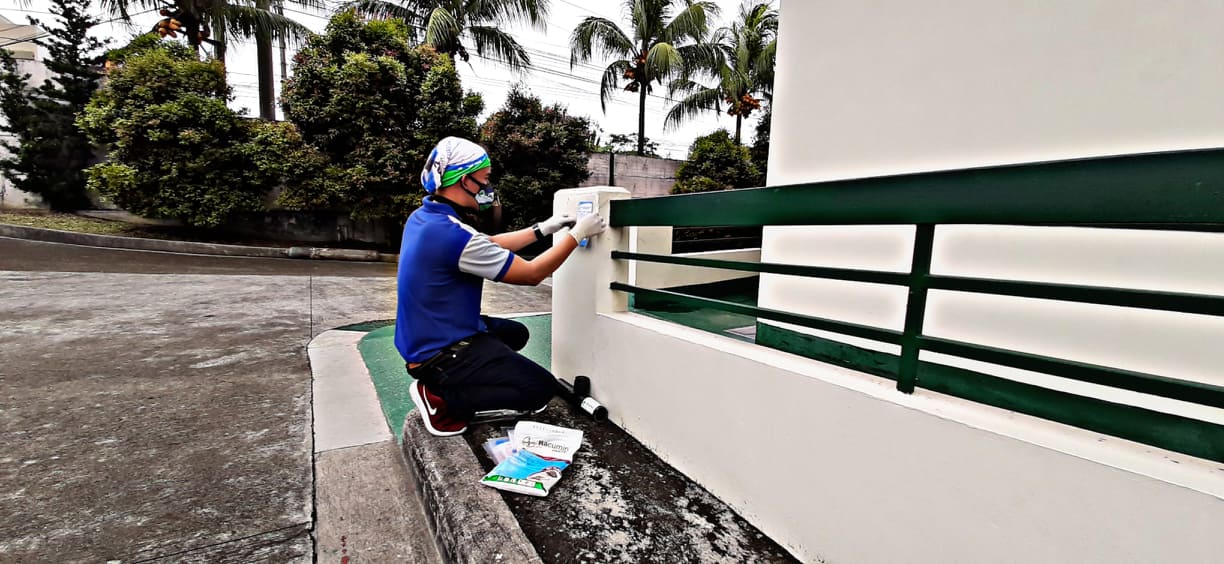
Most people treat a rodent inspection like a hunt. Find the animal, and you found the problem. Entomologist April Musa-Marinay starts from a different question: what if the animal is the least useful thing you see?

Inspection is not only a search for rodents
April opens with a line that reframes the whole visit: Alam mo ba na as professional pest management, hindi lang daga yung hinahanap namin. In professional pest management, it is not only the rodent we look for.
The Facebook caption for this episode puts the same idea in plain words: Hindi lahat ng inspection ay naghahanap ng daga. Madalas, ang pinakamahalagang impormasyon ay ang mga palatandaang iniiwan nila. Not every inspection is looking for rats. Often the most important information is the signs they leave behind.

Why the signs often matter more
Then comes the professional habit: Sa inspection madalas mas mahalaga yung mga palatandaan kesa sa mismong daga hinahanap natin. On inspection, the signs are often more important than the rodent itself.
A sighting is one moment. Signs are a record. They stay after the animal has moved on, and they show where pressure is building even when nobody is watching.

What April looks for
She walks through the evidence professionals hunt for: Yung droppings, yung mga ngatngat, rub marks, tracks at tsaka yung mga butas o yung burrows...
- Droppings. Fresh or old pellets map where rodents are feeding and resting.
- Gnaw marks (ngatngat). Chewed packaging, wood, or wiring show active foraging and nesting pressure.
- Rub marks. Grease and dirt along walls and edges mark favorite routes.
- Tracks. Footprints and trail marks confirm travel paths between food, water, and shelter.
- Holes and burrows. Entry points and harborage tell you how the site is being used structurally.

What those signs are really saying
Signs are not trivia. April is clear about what they answer: ito kasi yung nagsasabi kung saan sila dumadaan, gaano katagal na yung infestation or yung activity, at tsaka kung gaano kalaki yung problema.
In other words, the evidence helps you see:
- Where they travel. Routes along walls, edges, and critical points on the site.
- How long the activity has been going on. Fresh versus established signs change urgency and scope.
- How large the problem is. Scale changes the plan: one entry point is not the same as a site-wide pattern.

Building the story behind the infestation
That is the point of reading signs carefully: Ito yung mga signs na tumutulong sa atin para buuin yung kwento sa likod ng infestation. These are the signs that help us build the story behind the infestation.
Without that story, treatment is guesswork. With it, exclusion, sanitation, monitoring, and placement all have a reason.

Incidence or infestation
April closes in English, and it is the line worth keeping:
The signs help us know the real story, whether it's just an incidence or a big infestation.
That distinction matters for homes and facilities alike. An incident needs a focused response. A big infestation needs a program. The signs are how you tell which one you have.

The BOAZ take
Solutions Beyond Pest Control means reading the site before you react to it. BOAZ inspections look for the evidence rodents leave behind—droppings, gnaw marks, rub marks, tracks, holes, and burrows—so the plan matches the real story, not a single sighting.
Pest-free is the new clean. And a good inspection starts with what the signs are already telling you.

Watch the Reel / talk to us
Facebook Reel (Episode 14): https://www.facebook.com/reel/914168721763435
Book a free consultation with BOAZ Pest Control, including an on-site visit.
Metro Manila · Bicol
0922-865-5906 · (02) 7744-4068
sales.boazcorp@gmail.com
https://boazpestcontrol.com
Adapted from April Musa-Marinay's Episode 14 entomologist explainer for BOAZ Pest Control.